
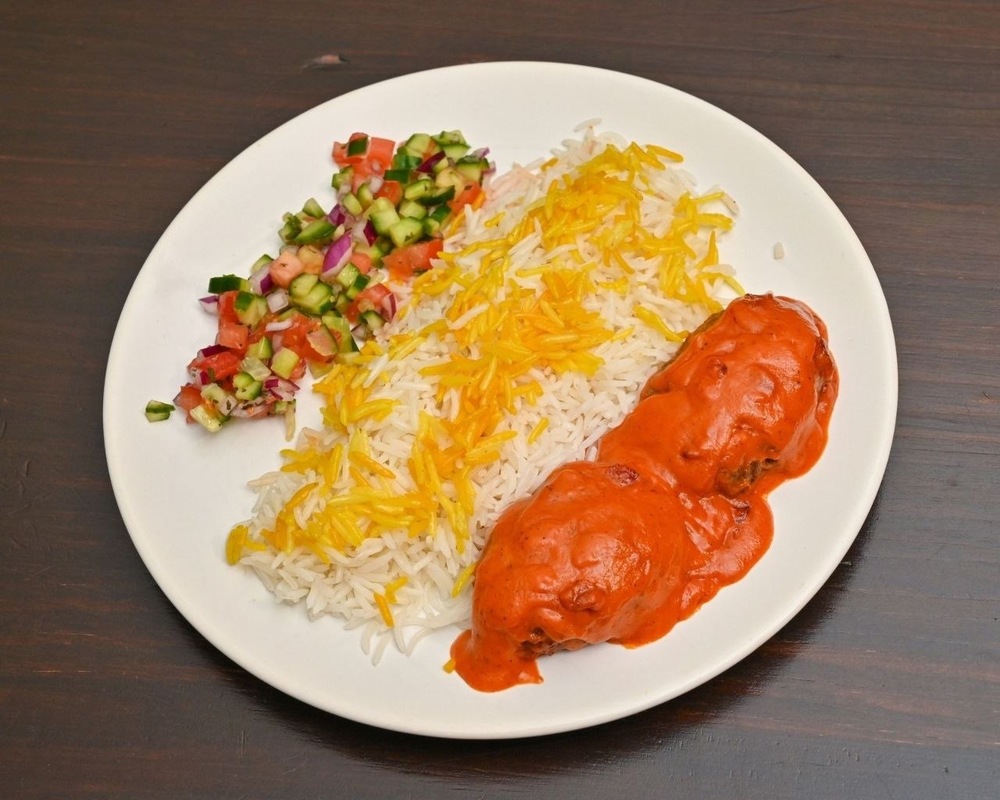
From Fire to Pan: The Story of Iranian Pan Kebab
2026-05-19
Pan Kebab: The Story of a Royal Dish at Home
Pan kebab is one of the most beloved home-cooked dishes in Iran. It comes from the long tradition of Persian kebab, yet with the arrival of modern kitchens and urban life, it took on a new form. Today, pan kebab is part of the shared memory of Iranian families. It is simple, intimate, and familiar. A dish that brings back family gatherings while still holding onto the taste of traditional kebab.
The history of pan kebab in Iran
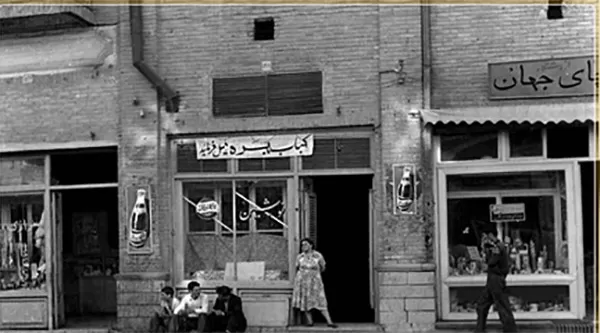 Kebab shop in Tehran, 1950
It is not entirely clear where pan kebab first entered Iranian cooking. Some believe it came from neighboring countries, while others see it as a natural result of modern domestic life. Kebab itself, meat cooked over fire, has existed across time and cultures.
In Iranian culinary tradition, kebab has long been associated with luxury and celebration. It evokes nature, holidays, and gatherings filled with guests. It was a royal and noble dish, something kings would enjoy, and something ordinary people might prepare only on special occasions.
Pan kebab, or what is also known as pot kebab, is both a continuation of that tradition and a departure from it.
How did pan kebab enter Iranian homes?
With the arrival of modern kitchens, cooking moved from open fire into the home. Pan kebab is a product of that transition. A dish that began in the world of fire, hunting, and nomadic life, and gradually found its place in urban homes.
Even its name reflects this shift. “Pan” or “Pot” kebab refers to kebab cooked not on charcoal, but in a pan or pot. The same familiar taste and texture, now recreated in the intimacy of the home.
Later, with the widespread use of minced meat and changes in lifestyle, pan kebab became one of the quickest and most popular home dishes in Iran. A meal that can be prepared in less than an hour, yet still carries the feeling of something traditional.
Why did it become a family favorite?
Pan kebab was no longer reserved for restaurants or special occasions. There was no need for a garden or a grill. Families could prepare it on an ordinary day and still enjoy the familiar taste of kebab.
For many Iranians, pan kebab is not the image of a fine restaurant. It is the image of a family around a kitchen table, on a quiet day, with the smell of onions and meat in the air and the sound of the pan sizzling.
Pan kebab is, in a way, the continuation of a nomadic past within modern urban life. It sits at the intersection of a longing for nature and the reality of home. A dish that carries both fire and togetherness, while belonging to the rhythm of contemporary life.
Vegan Pan Kebab: rebuilding a memory

At Noush, we tried to recreate that same sense of home, but in a plant-based version.
Among vegan dishes, pan kebab was one of the most challenging for us. We didn’t want to simply imitate it. Our goal was to recreate the experience itself. What matters is not just the taste, but the memory behind it. A sense of comfort that feels like home.
When it comes to meat, that experience becomes even more complex.
To reach our final recipe, we went back to our mothers’ cooking. We tested different methods and ingredients, again and again, adjusting until we arrived at what we serve today. A combination of Iranian recipes, local ingredients, and "Golpar". A wild Iranian herb with a flavor that is both sharp and subtle, both tangy and warm.
We followed the same process for the sauce. Testing flavors to stay as close as possible to the experience of homemade pan kebab. A tomato-based sauce, finished with the aroma of Iranian basil.
The result is a vegan pan kebab that brings back the familiar taste and texture of Iranian kebab. Fragrant, warm, and intimate.
A dish that many people, after tasting it, say takes them back to moments at home. An Iranian family around the table, pan kebab in the center, a television in the background that might not bring good news, but the moment itself remains warm in memory.