
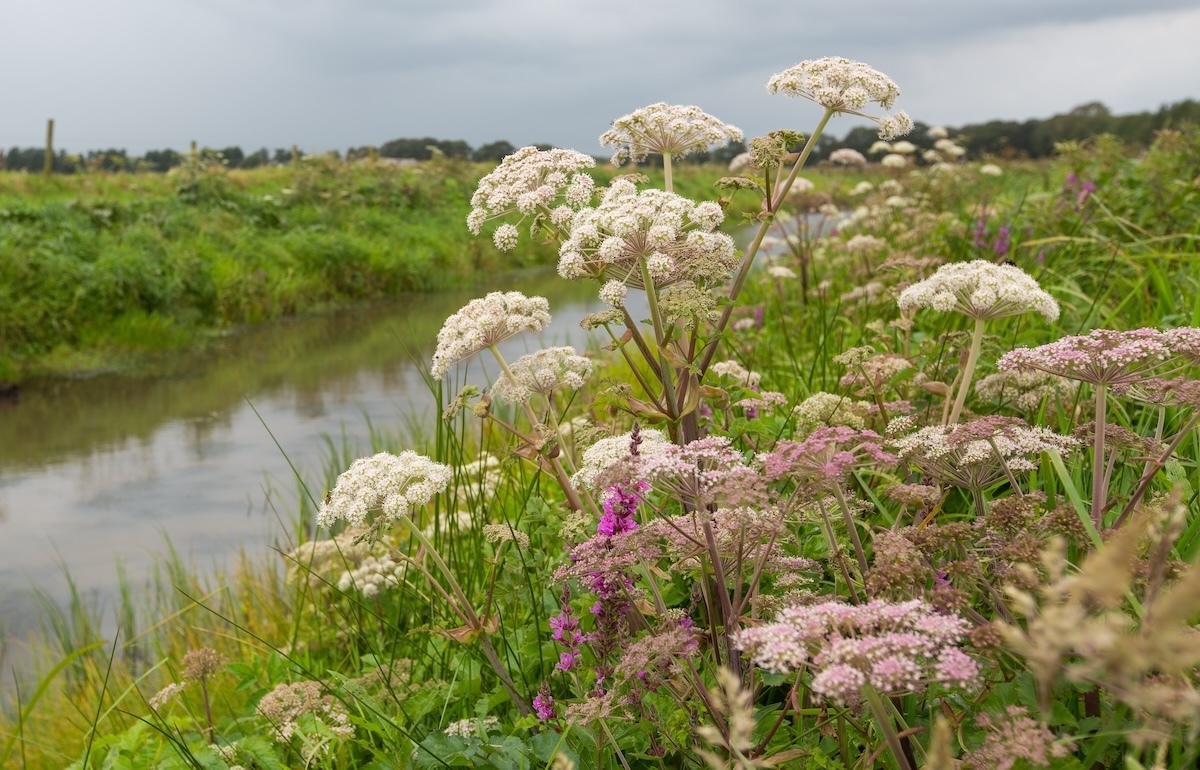
Golpar, An Iranian spice with a nostalgic soul
May 14, 2026
Golpar isn’t the kind of spice you can easily compare to anything else in the world. Its flavor belongs, more than anywhere, to Iran, and to the memories of those who grew up there. It has a gentle heat, but not like pepper. There’s a subtle tang, faintly reminiscent of dried lime, and a light bitterness that never overwhelms. It feels like several flavors coexisting at once, without any one taking over.
Its taste comes from something wild, almost untamed, yet for many Iranians it carries a sense of warmth and familiarity. It’s a strange spice, complex, and deeply nostalgic.
What does golpar taste like?
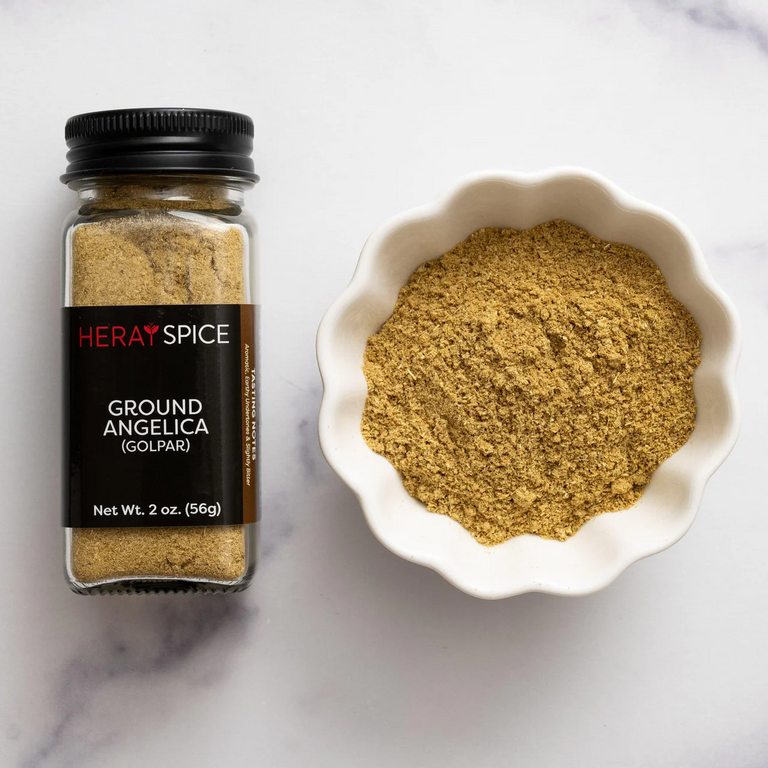
Maybe the best way to describe golpar is that it tastes like untamed nature. Many spices, over centuries, have become familiar and predictable through global cooking. Golpar hasn’t. It still holds something of the wild plant it comes from.
Unlike many well-known spices, golpar didn’t arrive in Iran through trade. It comes from the mountains, from a nomadic way of life. That’s why it feels less like something from royal kitchens, and more like something from the street, from travel, from winter, from small gatherings.
Many people might not know its name, but almost everyone recognizes its taste. All it takes is its aroma to bring back a memory: a family outing, a cold winter afternoon, friends gathered together, or a rainy street.
Despite its complexity, it’s often paired with simple foods, lentils, beans, soups. A surprising flavor in everyday dishes. Maybe that contrast is what makes it memorable.
In many Iranian cities, especially in winter, hot street broad beans are served with golpar. The steam rising with its aroma in the cold air is part of a shared memory for many.
Does golpar have benefits?
Golpar isn’t only used for its taste. In traditional Iranian medicine, it’s been used to help digest legumes and reduce bloating. It has also been used for mild stomach discomfort, and is sometimes noted for its antimicrobial properties.
That said, golpar is a spice that needs to be used carefully. Too much, and its bitterness and sharpness can take over. Its presence is usually subtle, but enough to be remembered.
Not just for food, also for fruit
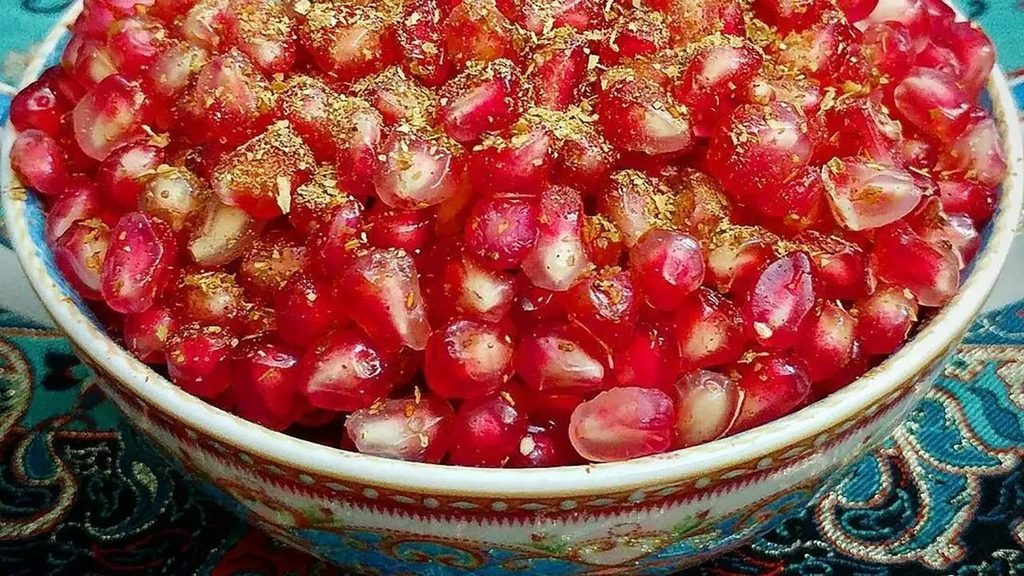
Something that surprises many non-Iranians is that golpar isn’t only used in savory dishes. It’s also sprinkled over fruit.
Cucumber with salt and golpar is a classic summer snack, and pomegranate with golpar is inseparable from Yalda night. For many, it might seem unusual to put a warm, earthy spice on fruit, but that mix of sour, salty, and spicy is part of the Iranian flavor memory.
Maybe that’s why golpar is more than just a spice. It’s a scent, a feeling. Some flavors fade, but certain aromas stay with you, tied to a place, a culture. For many Iranians, golpar is one of those.
From the mountains to Barcelona
At Noush, we’ve brought this unique spice into our dishes and drinks, a small piece of the Iranian mountains in Barcelona.
If you try our kebab, you’ll notice the gentle tang and warmth it adds. And if you’re curious to taste something that sits somewhere between familiar and unexpected, you might find it in our seasonal cocktails.