
Gilani Shesh Andaz: Nature at the Table
2026-10-25
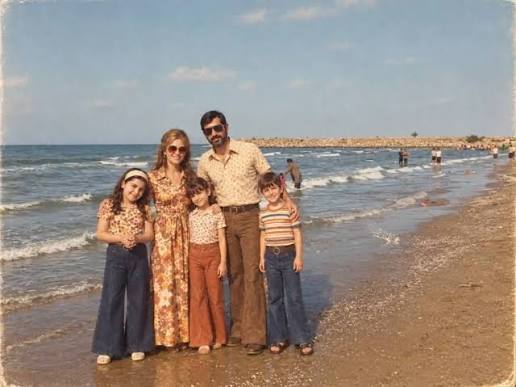
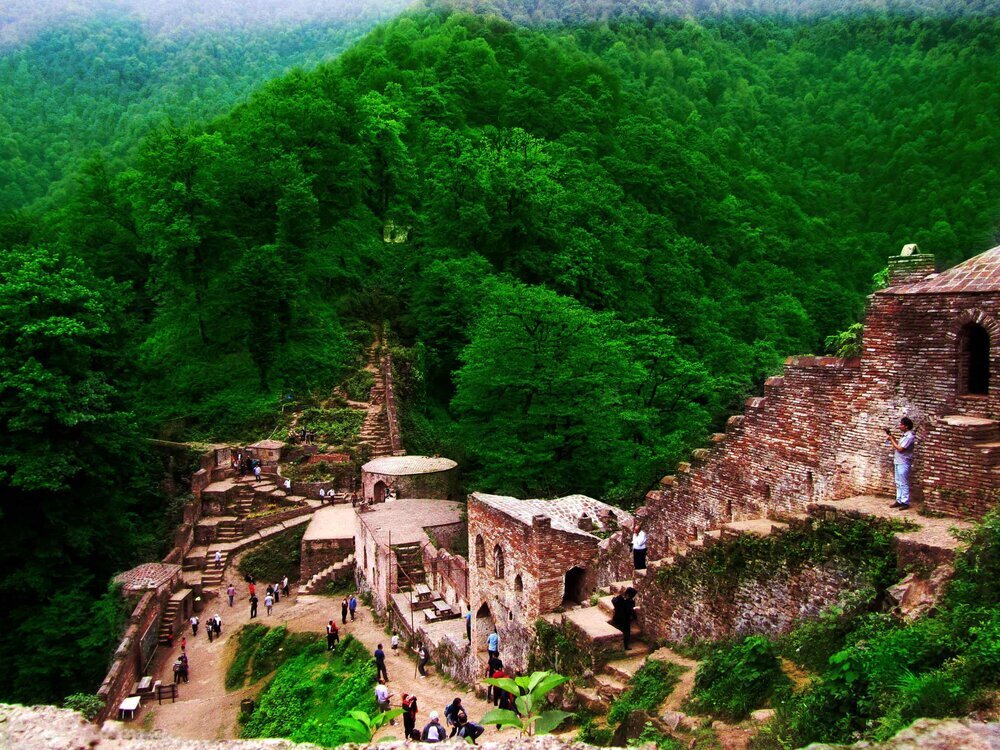
For most Iranians, northern Iran is a place full of memories. Every flavour from the north opens a door to the corridors of memory: the road that grows greener the further you travel, the car window that gradually fogs up as you sit back and watch the rain, the scent of the forest that fills the air after a series of winding bends, and the Caspian sea waiting for you at the end of the twisting road. Rice paddies stretch along both sides of the highway, and trees grow so close to the road that you almost expect them to reach their branches into the car. For many people, northern Iran means travelling, spending a few days away from the city, and enjoying meals that keep coming until the table seems endless.
Northern Iran is a land of abundance. Everywhere you look, there are green fields and gardens where something is growing. This close relationship between everyday life, farming and gardening has given northern Iranian cuisine its distinctive character. In this part of Iran, there is no clear boundary between the garden and the kitchen. A pomegranate hanging on a tree today might become part of a dish tomorrow. Herbs growing just a few hundred metres from a home find their way into its cooking. Walnuts gathered in autumn become the heart of a meal months later.
When we look at the cuisine of northern Iran, we see dishes that have grown alongside the nature surrounding them. Nature finds its way into the kitchen, and from there, onto the table.
Northern Iranian Cuisine: Where Sour Flavours Take Centre Stage
In northern Iranian cooking, sour flavours, which in many other regions are served on the side, do not remain in a little dish at the edge of the plate. They make their way into the main course itself. Pomegranate molasses, bitter orange, unripe grapes and other sour ingredients are constantly incorporated into dishes, blending with herbs, walnuts, aubergines and legumes.
One of the defining characteristics of northern Iranian cuisine is how fully it makes use of the natural abundance around it. Pomegranate finds its way into stews, transforming their colour and bringing its unmistakable tartness to the plate. Walnuts, meanwhile, give dishes richness and body, along with a subtle bitterness. Their presence in certain dishes is so substantial that they can take the place of meat.
And garlic? If we had to choose just one ingredient to represent the cuisine of Gilan, garlic would undoubtedly win. In the north, garlic is more than a seasoning; it is part of a dish’s identity. It shines, makes its presence known and gives food its character.
Shesh Andaz: Three Main Ingredients, A World of Flavour
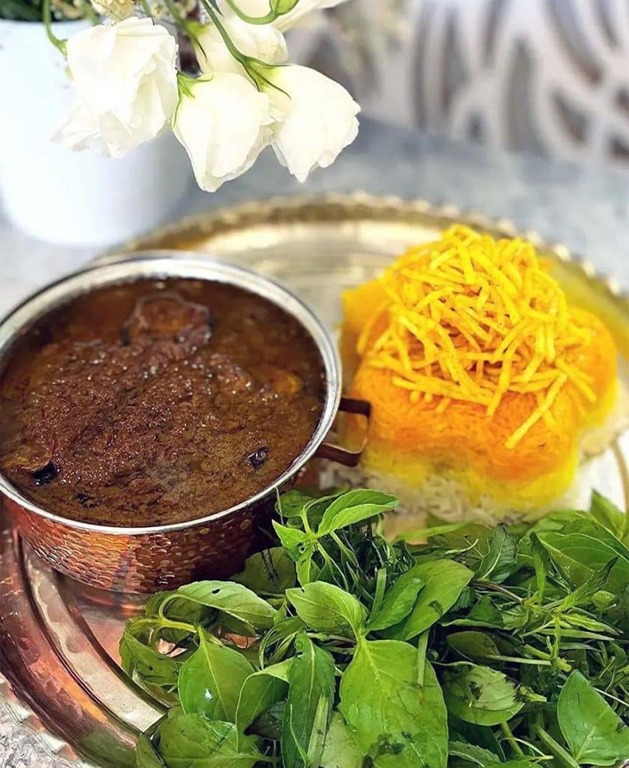
Shesh Andaz is one of northern Iran’s distinctive dishes. It is made with simple ingredients, yet the result is anything but simple. In the Gilani version, aubergine, walnuts and pomegranate molasses come together with onions, each playing a different role.
Walnuts are rich, dense and fatty. Pomegranate molasses offers the opposite: a bright, sharp tartness. Aubergine is soft and delicate, absorbing the surrounding flavours. And onion, that humble and indispensable ingredient in Iranian cooking, brings everything together, balancing the sharpness of the pomegranate with the richness of the walnuts.
These ingredients give Shesh Andaz a remarkable depth despite its simplicity. The first spoonful might reveal the tartness of pomegranate; in the next, the walnuts make their presence felt, while the aubergine and onion soften and harmonise the flavours.
Shesh Andaz: One Name, Different Regions
Interestingly, Shesh Andaz is not exclusive to Gilan. Versions of dishes bearing the same name are prepared in different parts of Iran, each with its own ingredients and cooking methods.
This is one of the things we love about Iranian cuisine: dishes travel from one region to another, names migrate, and recipes take on new identities along the way.
What makes Shesh Andaz particularly fascinating is how each region creates its own version using the ingredients available around it, bringing them together in a distinctive combination of flavours. The result is a family of dishes that share a name while reflecting the landscapes, produce and traditions of their respective regions.
A Dish That Was Plant-Based From the Beginning
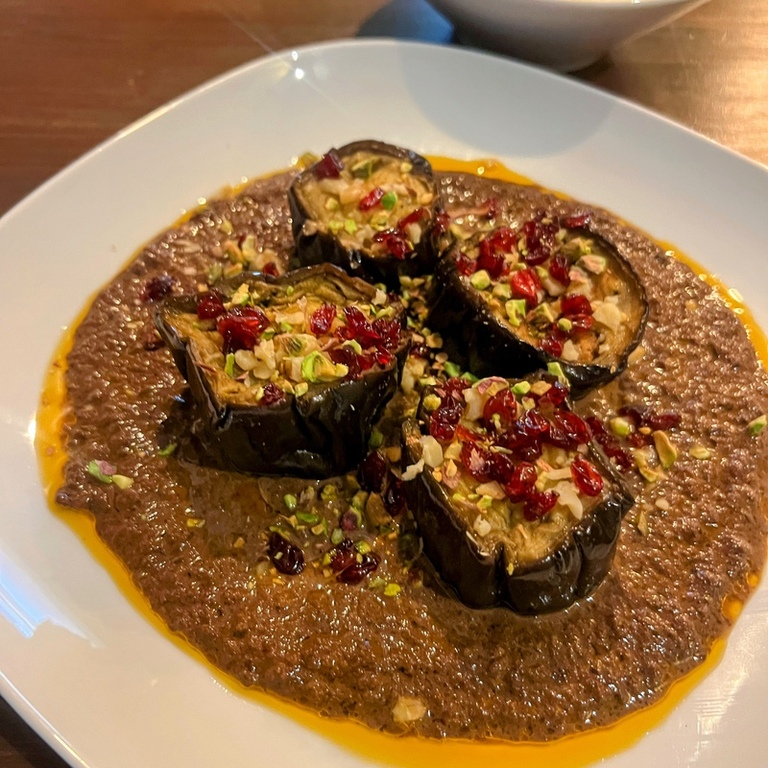
One of the things that caught our attention about Shesh Andaz at Noush is that there is nothing to remove or replace to make it plant-based. It is one of those dishes that reminds us that plant-based food does not have to be a substitute or a side dish. This is a dish that has been served on family tables in northern Iran for generations, made with simple ingredients that travelled from the gardens and fields surrounding people’s homes into their kitchens.
For us Iranians, Shesh Andaz also brings back memories of northern Iran: a journey into a unique natural landscape where forests, gardens and the sea exist side by side. It reminds us of a home where everyone gathered after a day spent exploring, and of childhood tables where the food seemed endless.
Someone was still waiting to be served, someone else wanted pickles, another person asked for more rice, and someone would return from the kitchen carrying another dish. And finally, when the meal was over, freshly brewed, fragrant tea would arrive.
This is the experience we want to bring to you at Noush.
Shesh Andaz: A Tribute to Rasht and Its People
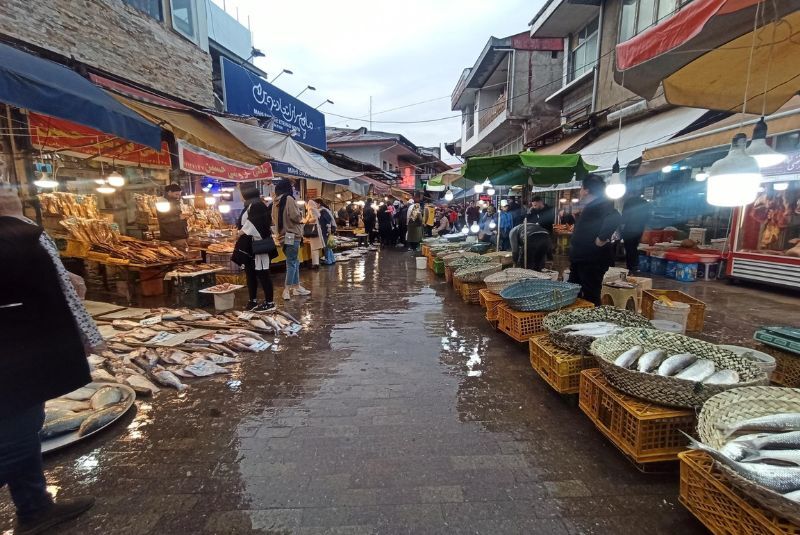
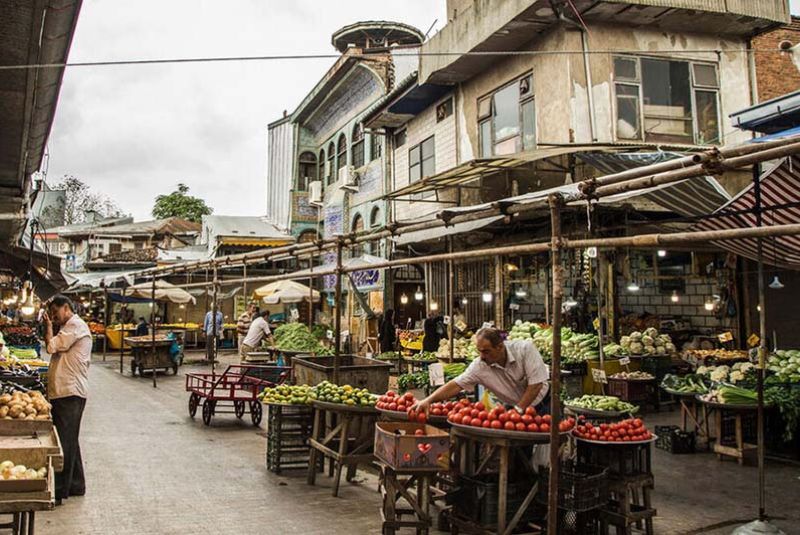
But at Noush, Shesh Andaz is more than a reminder of the lush landscapes of Gilan and the generous tables of northern Iran. It is also our tribute to Rasht and its bazaar, the beating heart of local life in Gilan, where the aromas of fresh herbs, pomegranates and walnuts mingle with the sounds of everyday life, forming part of the region’s living identity.
A bazaar that was set on fire by the government during the protest in January 2026, and people who lost their lives, caught between bullets and flames. For us, it is impossible to speak of food, memory and life without remembering those whose right to live in safety was taken away from them.
For us, this dish is a reminder that behind every flavour lies a homeland; behind every table, there are people.
For us, this dish is a reminder that behind every flavour lies a homeland; behind every table, there are people.
By cooking Shesh Andaz at Noush, we honour the people of Gilan, the traditions they have carried through generations, and the life that once filled the streets and stalls of Rasht Bazaar. We may not be able to bring back what was lost, but we can keep its flavours, its stories and its people alive at our table.