
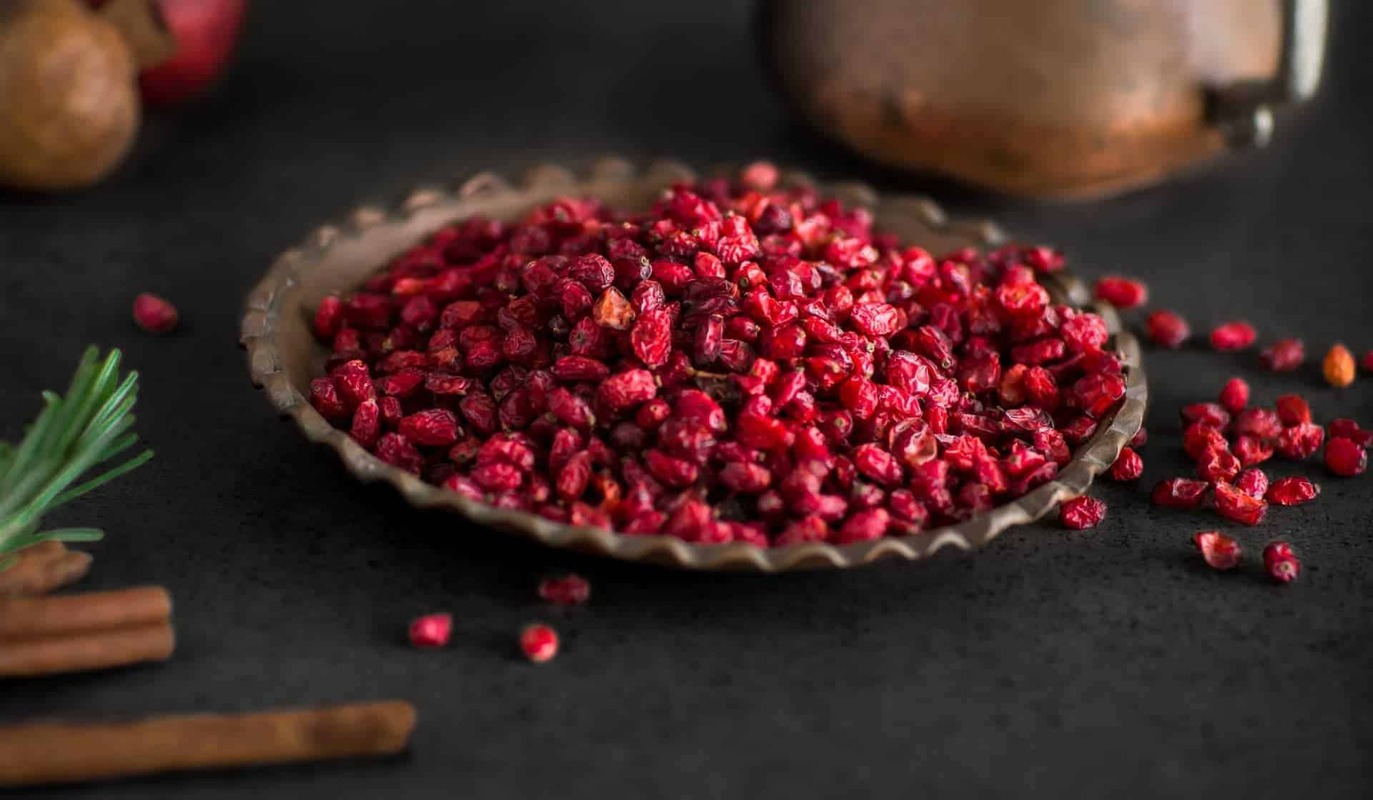
Barberries: The Tiny Red Jewels of Persian Cuisine
October 07, 2026
Perhaps no ingredient in Persian cooking can transform a simple dish into something so festive quite like the barberry. Unlike many ingredients that quietly play the role of seasoning, barberries are anything but modest. Despite their tiny size, they have a presence far beyond that of a simple garnish. They demand attention, make a dish feel grand and celebratory, and leave their sharp, tangy flavour lingering in your memory.
Barberries often signal a special occasion: a beautifully prepared table, a colourful feast, and a gathering worth dressing up for.
They are not simply one of the colours on a Persian table. From the moment you see them, they draw your eye. These small, glossy red berries can suddenly turn an ordinary dinner into something that feels almost ceremonial. It is as if you have taken off your everyday clothes and put on something a little more formal.
What Do Barberries Taste Like?
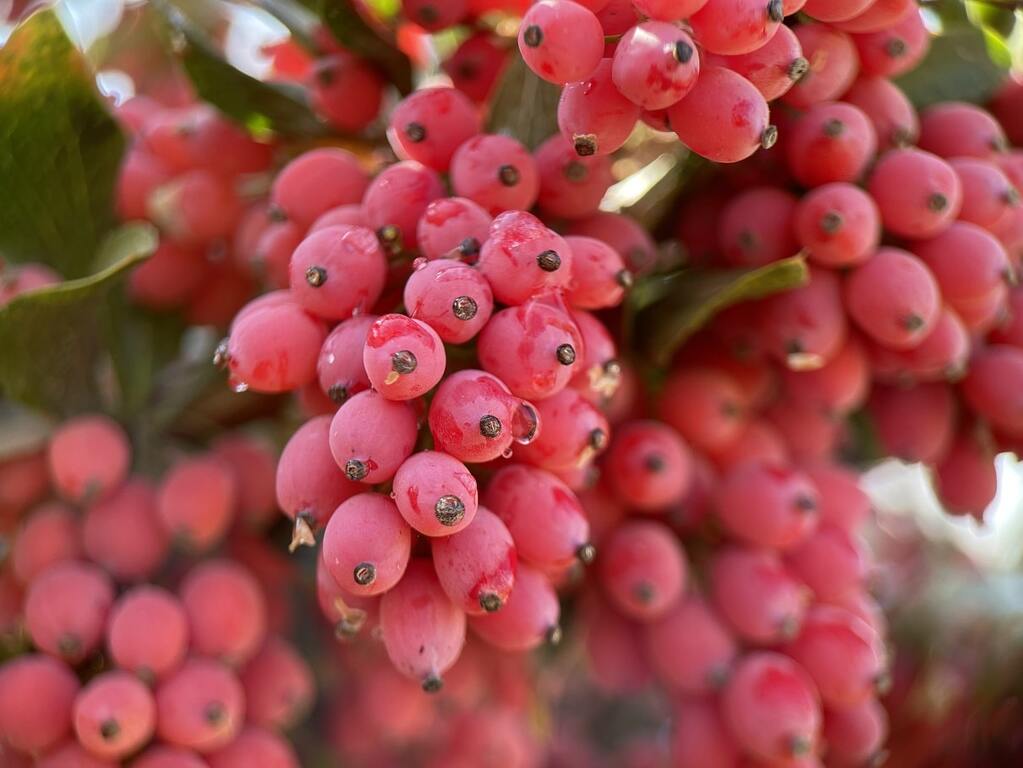
If you have never tasted a barberry, the closest comparison might be a cranberry. At least, this is the question we hear quite often: “Are those little red berries cranberries?”
They are not.
Barberries have a unique texture and a sharp, lively acidity. Their tartness appears suddenly in the middle of a spoonful of rice, cutting through richer flavours and refreshing your palate. Sometimes they balance the sweetness of a dish; other times, they bring an unexpected brightness to food that is not naturally sour.
Each little berry is almost like a tiny burst of acidity. You take a bite of rice, one of them suddenly pops between your teeth, and the whole mouth feels refreshed.
That is perhaps why barberries, despite their size, have earned such an important place in Persian cooking.
Barberries in Persian Cuisine
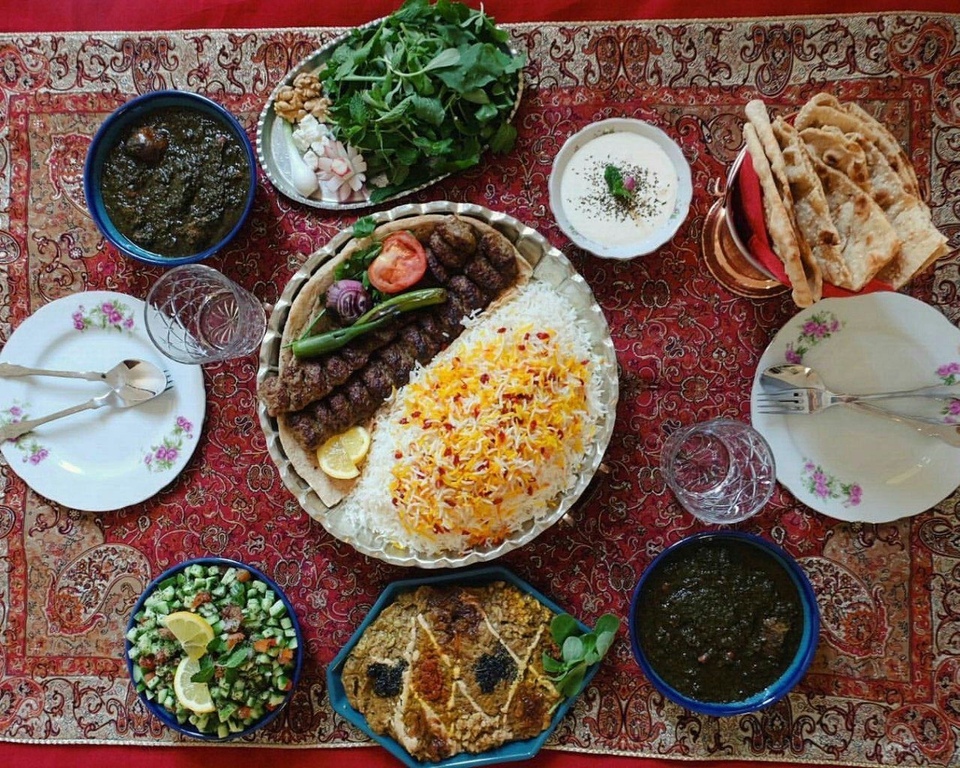
The role of barberries in Persian cooking goes far beyond simply making food sour. Persian cuisine has always been deeply concerned with balance: sweet and sour, rich and light, delicate and intense. Barberries are one of the ingredients that help create that balance.
They are used in dishes such as Morasa Polo (Persian Jeweled Rice), Qeymeh Nesar from Qazvin, and in various stews and sweets. When barberries are gently sautéed, many cooks add a small amount of sugar. The goal is not to take away their characteristic tartness, but to soften its sharp edges and create a more balanced flavour.
The result is a dish where different flavours come alive with every spoonful, weaving sweetness, acidity, richness and fragrance together.
And Persian cooking does not stop there. In some festive dishes, barberries are combined with slivered almonds, pistachios and dried orange peel, creating an even more elaborate combination of colours, textures and aromas.
The result is a colourful, generous dish that feels made for a celebration and unmistakably Persian.
Barberries and Saffron: A Persian Pairing
In Persian cuisine, barberries and saffron are almost inseparable companions.
The golden colour of saffron rice alongside the glossy red of barberries is one of the most recognisable images in Persian cooking. For many Iranians, this combination immediately brings to mind celebrations, weddings, family gatherings and long dinners around a crowded table, and sometimes, the feeling that a little money just come your way, so you can finally afford to show off a bit.
Zereshk Polo: Iran's Most Famous Barberry Dish
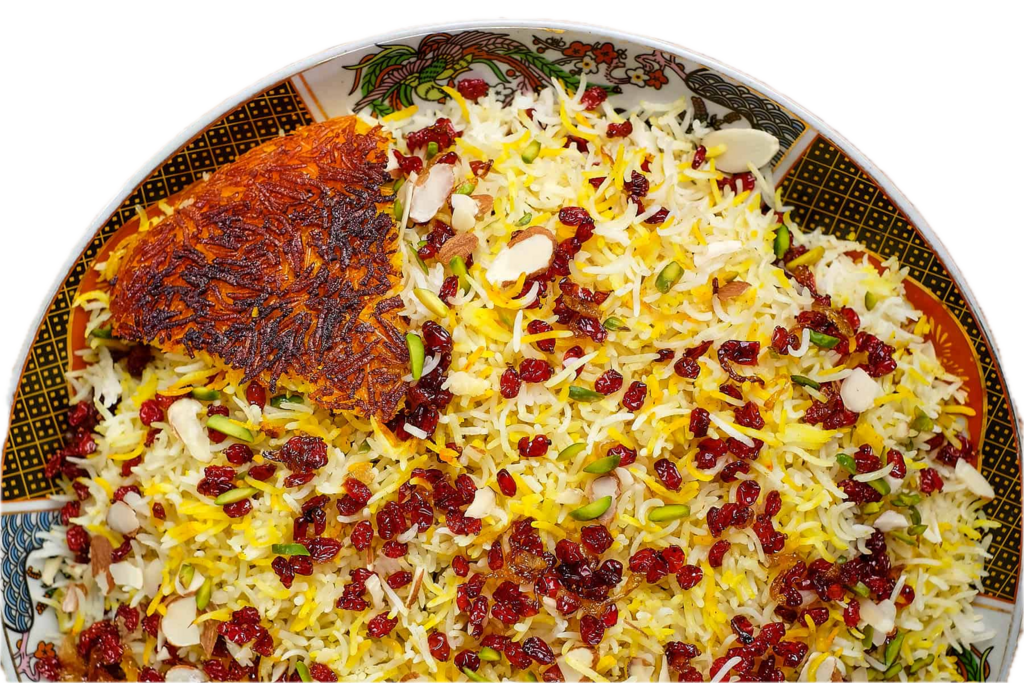
Barberries are so deeply woven into Persian cuisine that they give their name to one of Iran's best-known dishes: Zereshk Polo ba Morgh (saffron rice with barberries and chicken).
It is a dish in which fragrant saffron rice, tart barberries and tender chicken come together to create one of the most familiar dishes served at Persian celebrations and family gatherings.
It would not be an exaggeration to say that Zereshk Polo ba Morgh is one of the essential dishes of an Iranian feast.
For many Iranians, it brings back memories of those long family gatherings when siblings, now middle-aged and with families of their own, finally manage to sit around the same table after months apart.
They eat, catch up, and stay at the table long after dinner. The older generations talk about childhood memories, their everyday lives and everything happening in the country, while the children disappear into the rooms and hallways to play.
And somewhere in the middle of it all is that familiar plate of saffron rice, dotted with bright red barberries.
The History of Barberries: How Did They Become Part of Persian Cuisine?
Different species of barberry grow in various parts of the world, but the seedless edible barberry used today in Persian cooking is particularly associated with Iran.
Historical evidence suggests that barberries became increasingly prominent in the Persian table from the Safavid period onwards, gradually developing from a local agricultural product into one of the defining ingredients of Iranian cuisine.
Today, much of the world's barberry production comes from eastern Iran, particularly South Khorasan. The region's dry climate provides ideal conditions for growing Iranian barberries.
Iran is now considered the world's leading producer and exporter of barberries, and the fruit has become one of the country's distinctive agricultural products.
Barberries at Noush
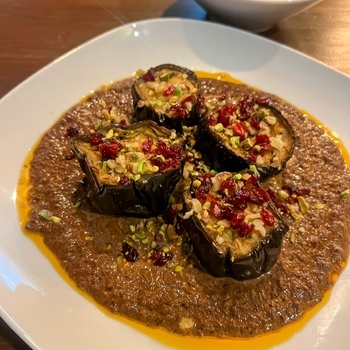 Caspian Stew
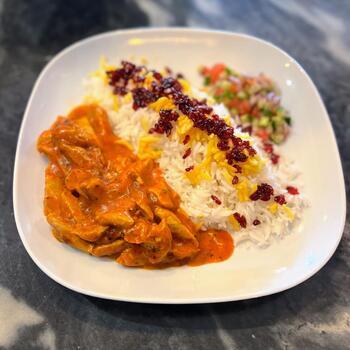 Persian Celebration
At Noush, we use barberries in some of our favourite Persian-inspired dishes, from our take on Zereshk Polo to Tahchin and our Caspian stew (Shesh Andaz).
If you visit Noush and order one of these dishes, you may find yourself thinking about those tiny red berries long after the meal is over.
Maybe that is the secret of the barberry: it is small, but it refuses to be forgotten.
A little burst of tartness, a flash of colour, a familiar taste, and suddenly an ordinary day feels a little more special.