
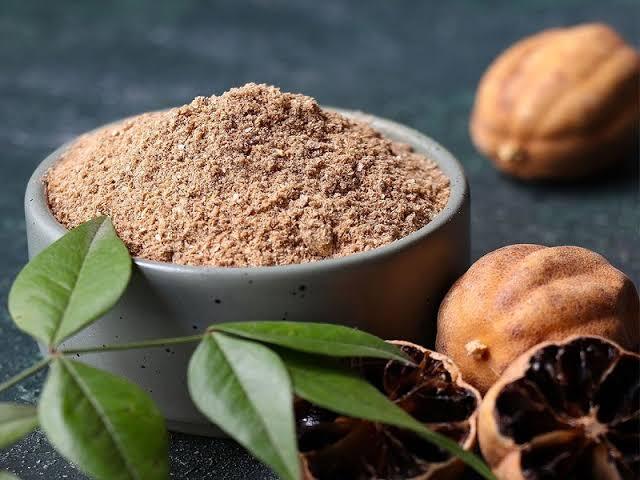
Dried Lime (Limoo Amani): The Secret Ingredient Behind Persian Stews
2026-06-09
When people discover Persian cuisine, they often notice a flavor they cannot quite identify. It is bright but not sharp, citrusy but deeper than fresh lemon, and woven gently into the dish rather than sitting on top of it.
That flavor often comes from Limoo Amani, also known as Persian dried lime or black lime.
A staple of Persian cooking, dried lime is one of the ingredients that gives classic dishes such as Ghormeh Sabzi and Gheymeh their distinctive character.
What Is Limoo Amani?
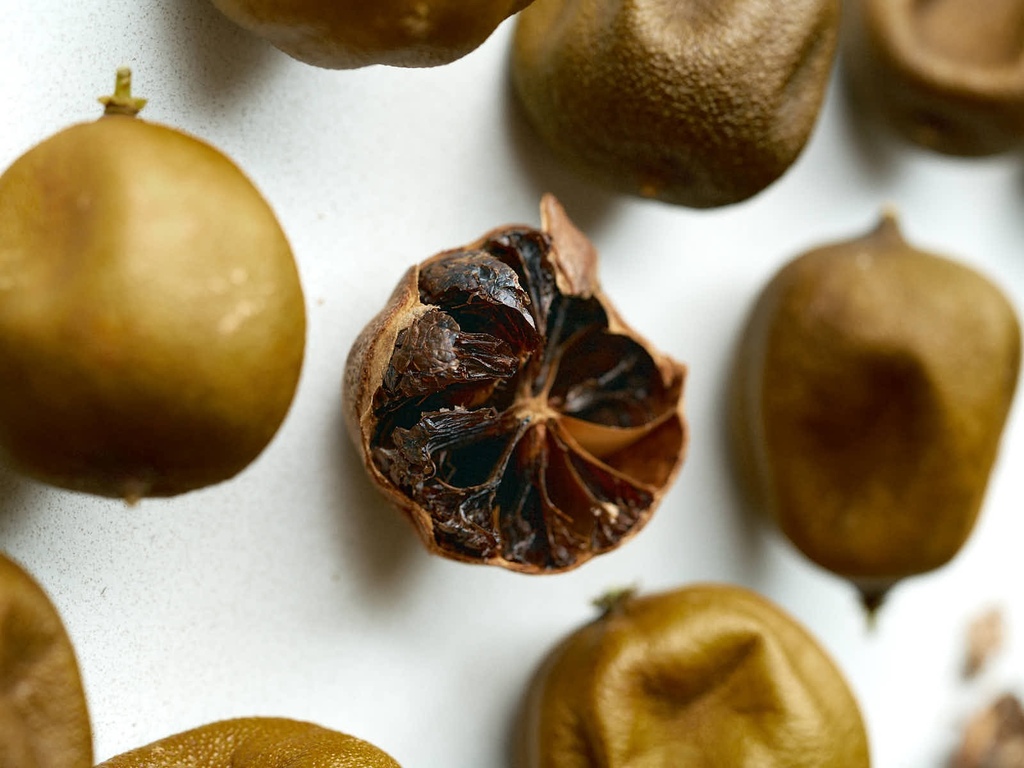
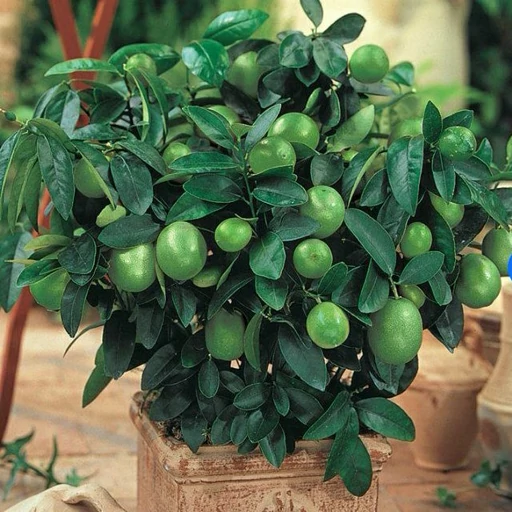
Limoo Amani is made from small green limes that are slowly dried under the sun.
Before drying, the limes go through a traditional process that includes blanching in hot water. This helps reduce some of their natural bitterness while preserving their complex citrus aroma. Over time, the drying process transforms the fruit, creating a flavor that is far richer and more layered than fresh lime.
The result is an ingredient that combines citrus notes with subtle earthy, fermented, and slightly smoky characteristics.
Where Does Dried Lime Come From?
Although dried lime is closely associated with Persian cuisine, it has deep roots throughout the Persian Gulf region and the Middle East.
The name “Limoo Amani” is believed to refer to Oman, where dried limes have long been part of regional cooking traditions. Today, dried limes are used across Iran, the Arabian Gulf, and parts of South Asia, each culture adapting them in different ways.
In Iran, however, they became an essential ingredient in some of the country’s most beloved stews.
What Does Limoo Amani Taste Like?
Dried lime has a unique flavor that is difficult to compare to any single ingredient.
It offers a gentle citrus acidity, but also a depth that develops during the drying process. Depending on the variety and preparation, you may notice earthy notes, mild bitterness, subtle sweetness, and a rich aroma that fresh citrus fruits simply do not have.
This complexity is what makes Limoo Amani so valuable in Persian cooking. Rather than adding simple sourness, it creates layers of flavor that slowly develop during cooking.
Why Persian Chefs Love Dried Lime
One of the reasons dried lime is so important in Persian cuisine is the way it releases flavor.
Unlike lemon juice, which immediately changes a dish, dried lime slowly infuses stews during cooking. Over several hours, it contributes aroma, acidity, and complexity, becoming part of the dish rather than simply seasoning it.
This slow transformation is one of the reasons Persian stews are known for their depth and balance.
How We Use Limoo Amani at Noush
At Noush, our Persian vegan restaurant in Barcelona, we use Limoo Amani in our Gheymeh, one of Iran’s most iconic stews, prepared here in a fully plant-based version.
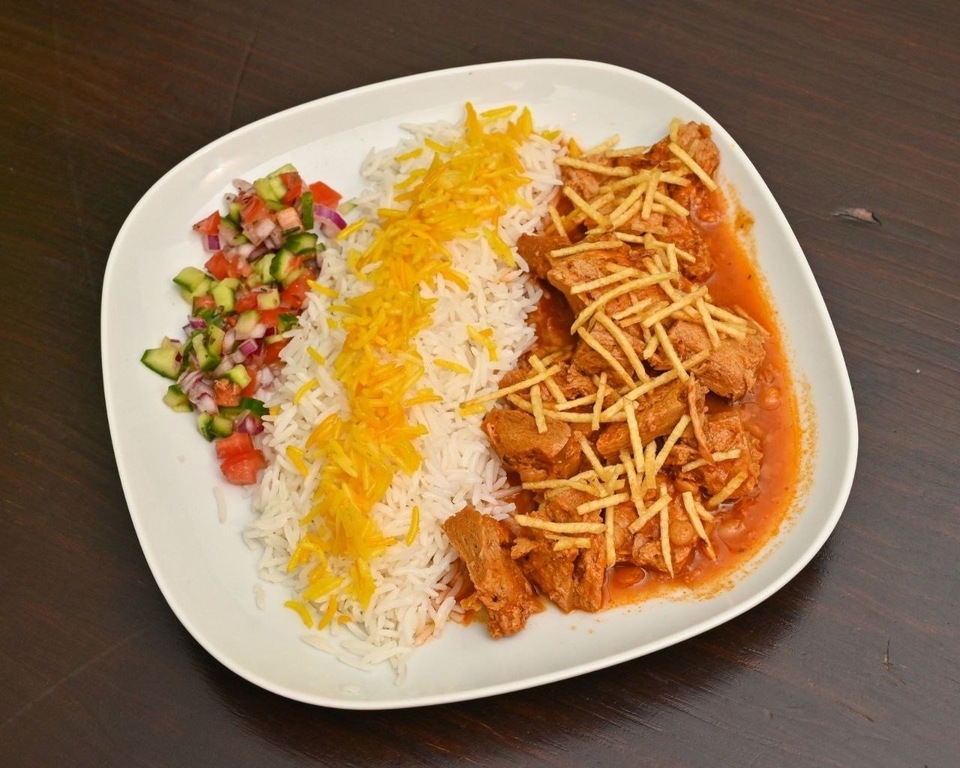
Traditionally, dried limes may remain in the stew throughout the entire cooking process. While this creates a deeply authentic flavor, extended cooking can also release more bitterness over time.
Our approach is slightly different. We allow the dried limes to gently infuse the stew with their characteristic aroma and acidity, then remove them once the desired flavor has been achieved.
This technique helps preserve the complexity of Limoo Amani while keeping the final dish balanced and approachable for a wider range of palates.
It is a small adjustment, but one that reflects our philosophy: respecting Persian culinary traditions while presenting them in a way that feels welcoming to guests discovering them for the first time.
At Noush, Limoo Amani is more than an ingredient. It is one of the subtle details that gives Persian cooking its depth, elegance, and unmistakable character.
That flavor often comes from Limoo Amani, also known as Persian dried lime or black lime.
A staple of Persian cooking, dried lime is one of the ingredients that gives classic dishes such as Ghormeh Sabzi and Gheymeh their distinctive character.
What Is Limoo Amani?
Limoo Amani is made from small green limes that are slowly dried under the sun.
Before drying, the limes go through a traditional process that includes blanching in hot water. This helps reduce some of their natural bitterness while preserving their complex citrus aroma. Over time, the drying process transforms the fruit, creating a flavor that is far richer and more layered than fresh lime.
The result is an ingredient that combines citrus notes with subtle earthy, fermented, and slightly smoky characteristics.
Where Does Dried Lime Come From?
Although dried lime is closely associated with Persian cuisine, it has deep roots throughout the Persian Gulf region and the Middle East.
The name “Limoo Amani” is believed to refer to Oman, where dried limes have long been part of regional cooking traditions. Today, dried limes are used across Iran, the Arabian Gulf, and parts of South Asia, each culture adapting them in different ways.
In Iran, however, they became an essential ingredient in some of the country’s most beloved stews.
What Does Limoo Amani Taste Like?
Dried lime has a unique flavor that is difficult to compare to any single ingredient.
It offers a gentle citrus acidity, but also a depth that develops during the drying process. Depending on the variety and preparation, you may notice earthy notes, mild bitterness, subtle sweetness, and a rich aroma that fresh citrus fruits simply do not have.
This complexity is what makes Limoo Amani so valuable in Persian cooking. Rather than adding simple sourness, it creates layers of flavor that slowly develop during cooking.
Why Persian Chefs Love Dried Lime
One of the reasons dried lime is so important in Persian cuisine is the way it releases flavor.
Unlike lemon juice, which immediately changes a dish, dried lime slowly infuses stews during cooking. Over several hours, it contributes aroma, acidity, and complexity, becoming part of the dish rather than simply seasoning it.
This slow transformation is one of the reasons Persian stews are known for their depth and balance.
How We Use Limoo Amani at Noush
At Noush, our Persian vegan restaurant in Barcelona, we use Limoo Amani in our Gheymeh, one of Iran’s most iconic stews, prepared here in a fully plant-based version.
Traditionally, dried limes may remain in the stew throughout the entire cooking process. While this creates a deeply authentic flavor, extended cooking can also release more bitterness over time.
Our approach is slightly different. We allow the dried limes to gently infuse the stew with their characteristic aroma and acidity, then remove them once the desired flavor has been achieved.
This technique helps preserve the complexity of Limoo Amani while keeping the final dish balanced and approachable for a wider range of palates.
It is a small adjustment, but one that reflects our philosophy: respecting Persian culinary traditions while presenting them in a way that feels welcoming to guests discovering them for the first time.
At Noush, Limoo Amani is more than an ingredient. It is one of the subtle details that gives Persian cooking its depth, elegance, and unmistakable character.